Heating, ventilation, and air conditioning (HVAC) systems are vital components of any building, providing comfort and safety to occupants by regulating indoor air quality and temperature These systems rely on various parts and materials to function optimally, including HVAC rope HVAC rope plays a crucial role in ensuring the efficiency and safety of HVAC systems, and its importance cannot be overstated.
HVAC rope is a specialized type of rope used in HVAC applications for sealing and insulating ductwork, securing components, and supporting equipment It is typically made from durable and heat-resistant materials like fiberglass, ceramic fiber, or silicone to withstand high temperatures and harsh environmental conditions HVAC rope comes in different sizes, shapes, and configurations to meet the specific requirements of various HVAC installations.
One of the primary functions of HVAC rope is to seal and insulate ductwork joints and connections Properly sealed ducts are critical for preventing air leaks, maintaining optimal airflow, and improving energy efficiency HVAC rope is used to fill gaps and seal seams in ductwork to prevent air leakage, which can result in energy wastage and reduced HVAC system performance By sealing ductwork with HVAC rope, building owners can save on energy costs and ensure a more comfortable indoor environment.
In addition to sealing ductwork, HVAC rope is also used to insulate and protect components within HVAC systems Heating elements, pipes, valves, and other equipment can generate high temperatures during operation, which can pose a fire hazard or cause heat damage to surrounding materials HVAC rope provides thermal insulation and protection to prevent heat transfer, protect adjacent surfaces, and improve overall safety in HVAC systems.
Furthermore, HVAC rope is essential for securing components and supporting equipment in HVAC installations It can be used to secure insulation blankets, hold piping in place, support heavy equipment, and anchor components to prevent movement or vibration hvac rope. Properly secured components help to prevent accidents, reduce wear and tear on HVAC equipment, and extend the lifespan of the system.
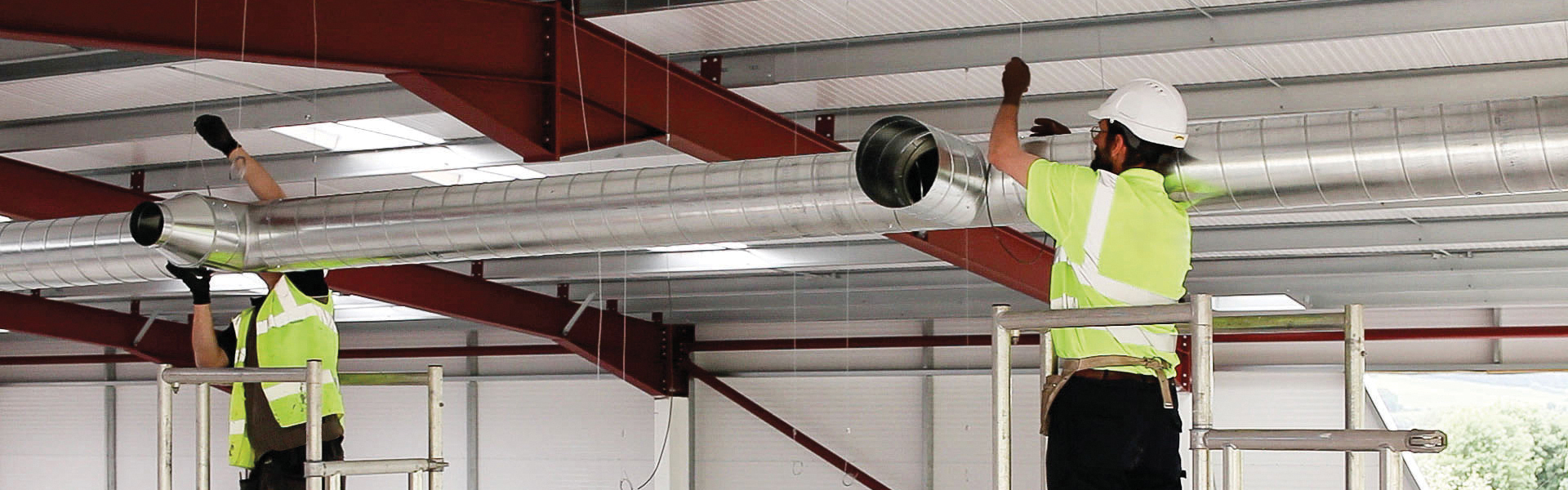
HVAC rope is also crucial for fire protection in HVAC systems In the event of a fire, HVAC rope can act as a fire barrier to contain the spread of flames and prevent the fire from reaching other areas of the building Fire-rated HVAC rope made from flame-resistant materials can help to protect ductwork, insulation, and other components from heat damage and reduce the risk of fire-related injuries or property damage.
Overall, HVAC rope plays a vital role in ensuring the efficiency, safety, and performance of heating, ventilation, and air conditioning systems Building owners, contractors, and HVAC professionals must recognize the importance of using high-quality HVAC rope in their installations to achieve optimal results By selecting the right type of HVAC rope for specific applications, following proper installation practices, and conducting regular maintenance, they can enhance the efficiency, reliability, and longevity of HVAC systems.
When purchasing HVAC rope, it is essential to consider factors such as material quality, temperature resistance, flexibility, durability, and compliance with industry standards High-quality HVAC rope from reputable manufacturers will provide better performance, longevity, and safety compared to low-quality alternatives.
In conclusion, HVAC rope is a critical component of heating, ventilation, and air conditioning systems that cannot be overlooked It serves various essential functions, including sealing ductwork, insulating components, supporting equipment, and enhancing fire protection Building owners and HVAC professionals must understand the importance of using high-quality HVAC rope in their installations to ensure efficient and safe operation of HVAC systems By investing in premium HVAC rope and following best practices for installation and maintenance, they can achieve optimal performance, energy efficiency, and occupant comfort in their buildings.